Glossy Flyer Printing Cheap vs Matte: Which Wins
Glossy or matte, which flyer finish is better and cheaper? Here's how each option affects flyer printing cost, durability, and the overall look and feel.
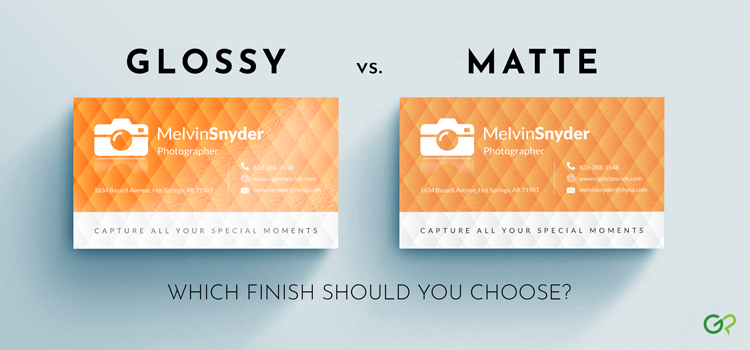
Most people make the finish decision quickly — they pick whatever sounds fancier or go with whatever the printer defaults to. But the finish affects more than aesthetics. It changes how your design reads, how durable the flyer is, and in some cases, how much you pay. It’s worth five minutes of thought before you finalize your order.
What Glossy Flyer Printing Actually Looks Like
Glossy finish adds a coating that makes colors appear more vivid and photos look sharper. Hold a glossy flyer next to a matte one with the same image, and the difference is immediately obvious — the glossy one pops.
That vibrancy is why glossy is the standard choice for anything image-heavy: restaurant menus, event promotions, real estate listings, product launches. When your design is built around a strong hero photo or bold color, glossy is usually the right call.
The tradeoff is glare. Under bright overhead lighting or in direct sunlight, a glossy finish can make a flyer harder to read. It also picks up fingerprints and smudges more easily than matte — something to keep in mind if the flyers will be handled often or displayed for an extended time.
What Matte Flyers Do Better
Matte finish is coated but without the shine. The result is a softer, more understated look that’s easier to read in most lighting conditions.
Text-heavy designs tend to work better on matte. If your flyer is mostly copy — a service menu, a community notice, an informational piece — matte makes it more comfortable to read at arm’s length. There’s no glare competing with the words.
Matte also has a practical advantage: it’s easy to write on. If you’re printing flyers where someone might need to jot down a date, add a note, or apply a stamp by hand, matte is the only finish that actually works for that.
Plenty of people also describe matte as feeling more premium for certain markets — professional services, understated events, minimalist brands. The absence of shine reads as intentional rather than cheap when the design supports it.
Which Finish Costs More?
Glossy and matte are usually within 5–10% of each other in price. On a small order, that difference barely moves the needle.
On a large order, it adds up. For bulk flyer printing at 1,000 pieces or more, even a few cents per piece becomes meaningful over the full run. If cost is the main priority on a high-volume order, matte is typically the more affordable option — it’s the more common default stock most printers carry.
Paper weight matters more to the total cost than finish does. A heavier 100lb cover stock in matte will cost more than a lighter 80lb text stock in glossy. For the full picture of how flyer paper affects the total cost, it’s worth running the numbers before assuming the finish choice is the main cost variable.
How to Choose Based on What Your Flyer Is For
Photo-heavy or color-driven designs — events, restaurant menus, product promotions — glossy tends to read better and make the right impression.
Text-heavy or minimalist designs — professional services, informational flyers, community notices — matte usually fits better and is easier on the eyes.
If you’re ordering in bulk and cost is the priority, lean matte. If you’re printing a smaller quantity and visual impact matters most, glossy is usually worth the small extra cost.
The finish choice also interacts with your layout. If you’re still working out your design, the flyer design guide covers how paper finish, typography, and color work together — which can help you figure out which direction your specific design is pushing you toward before you commit to an order.