Real Estate Flyer Printing — What Agents Need to Know About Print Quality
Real estate flyers need to look premium. This guide covers the right sizes, paper weights, finishes, and printing options for listing flyers that convert.
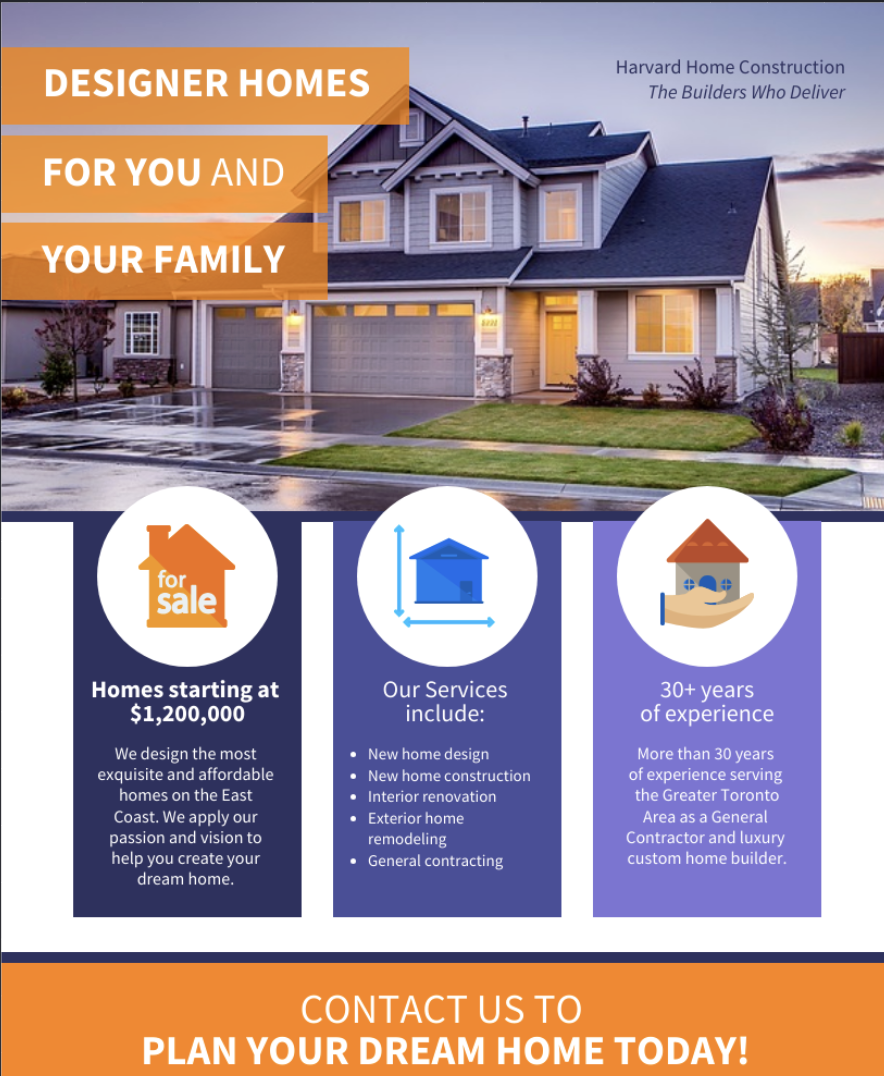
Real estate flyers have one job: make a property look compelling enough for a buyer to want to see it in person — and make an agent look professional enough to trust with the transaction. Both goals require better materials than a standard promotional flyer.
Why Print Quality Matters More for Real Estate
A restaurant can hand out a 90gsm matte flyer and generate response. A real estate agent handing a buyer a flimsy, low-quality property sheet sends a different message: that the agent doesn’t invest in quality, and by implication, neither does the transaction.
For high-value services, the physical quality of marketing materials is itself a trust signal. The flyer’s weight, finish, and photo reproduction all affect how the agent and the property are perceived before a single word is read.
This doesn’t mean spending a fortune on every piece. It means understanding the minimum quality threshold that maintains a professional impression — and staying above it.
The Standard Real Estate Flyer Spec
For a listing flyer that consistently looks professional:
Size: A4 (210×297mm / 8.5”×11”) — standard for a reason. Large enough to showcase photos, fits display boxes, easy to reference and file.
Paper weight: 130gsm minimum. 150–170gsm is the sweet spot for feel vs cost. Under 130gsm feels flimsy for a property listing.
Finish: Gloss or silk/satin. Gloss is vivid for photos; silk is a more refined look. Both reproduce property photos well. Avoid uncoated paper for listings — it makes photos look flat.
Printing: Full color, both sides. Front: dominant hero photo + headline spec + agent contact. Back: property details + additional photos or floor plan + neighborhood information.
Lamination (optional but worthwhile for premium listings): Gloss or matte laminate adds durability and a noticeably premium feel. Appropriate for $500K+ listings where the per-flyer cost is justified.
Sizing Options Beyond A4
A5 (148×210mm): Works well for buyer’s choice cards, farming neighborhood mailings, or display-box teasers designed to give just enough information to drive a website visit. Not ideal as a full listing flyer — too small to showcase photos properly.
Tri-fold A4 (DL size when folded): Creates a 6-panel piece with more space for content. Good for detailed property profiles, new development information packs, or agent profile mailers. More expensive to print due to folding setup cost.
Postcard size: Some agents use 5”×7” or A5 postcards for farming mailers. The larger card stock weight can feel more substantial than a flyer and the smaller size is cheaper to mail.
Paper Finish Guide for Real Estate
Standard gloss: Highest color saturation and photo vividity. The classic real estate listing look. Fingerprint-prone on dark backgrounds.
Silk/satin: Slightly reduced gloss, smoother reflection. Looks more editorial and high-end than standard gloss. Increasingly common for mid to premium listings.
Gloss laminate: Standard gloss paper with an additional laminate layer bonded to the surface. Significantly more durable, water-resistant, and luxurious to touch. The best option for listings where the flyer will be handled repeatedly (open house traffic, display boxes in busy lobbies).
Matte laminate: Velvety, anti-glare surface. Premium look, easy to write on. Some architects and developers prefer this aesthetic. Photos reproduce with less pop than gloss but the overall piece looks sophisticated.
For a full comparison of finish options, see our glossy vs matte flyers guide.
Photo Quality: The Most Important Variable
No amount of paper quality makes up for poor property photos. The photo quality in a listing flyer determines whether the flyer works — not the design, not the font, not the finish.
For print use:
- Photos need to be at least 300 DPI at the final print size
- A photo from a phone that looks fine on screen may print blurry at A4 size
- Professional real estate photography (HDR interior shots, exterior with sky replacement) is the standard for mid-tier and above listings
- Request high-resolution files from the photographer specifically for print use
A quick test: zoom into your photo in a photo editor at 100% view. If it looks pixelated on screen at 100%, it will print pixelated on the flyer.
Quantity Planning for Real Estate Flyers
Open house period (1–4 weeks):
- 100–200 flyers for hand-distribution and display
- 25–50 for the property’s outdoor display box, replenished 1–2 times per week
Farming campaign (targeting a specific neighborhood):
- 500–1,500 for a residential street drop to generate seller awareness
- Repeated 3–4 times per year to build brand recognition in the target area
Buyer database mailers:
- 50–100 for direct mail to qualified buyer contacts for premium listings
The per-piece math strongly favors ordering a larger quantity even if you won’t use all of them immediately. The price difference between 100 and 500 pieces is small relative to the per-piece savings. Leftover flyers can be used for future open house dates or dropped at complementary businesses.
For more on quantity planning, our how many flyers to print guide covers the full framework.
Cost Range for Real Estate Flyers
For a standard A4 double-sided gloss listing flyer on 130–150gsm paper:
| Quantity | Per-piece (online) | Total (est.) |
|---|---|---|
| 100 | $0.45–$0.80 | $45–$80 |
| 250 | $0.30–$0.50 | $75–$125 |
| 500 | $0.20–$0.35 | $100–$175 |
| 1,000 | $0.14–$0.22 | $140–$220 |
Lamination adds $0.10–$0.25 per piece depending on finish type.
Premium paper (170gsm+) adds 10–15% to per-piece cost but noticeably improves the feel. For listings above $400K–$500K, this upgrade is straightforward to justify.
Local print shops typically charge 20–40% more for the same spec. They offer faster turnaround, easier file troubleshooting, and in-person review of proofs — worth considering for large or first-time orders.
For the full pricing breakdown on flyer printing across all sizes and quantities, see our flyer printing cost guide.
Real Estate Flyer Design: What to Include
Front side:
- Dominant hero property photo (60–70% of the page)
- Address and listing type (For Sale, Just Listed, Just Sold, Open House)
- Key specs: bedrooms, bathrooms, square footage, lot size, price
- Agent name and photo (builds brand recognition over time)
- Contact information: phone, email, website
Back side:
- Property description: 2–3 compelling paragraphs highlighting key features
- Additional photos: kitchen, master bedroom, garden, street view
- Property features list: 8–12 key amenities
- Neighborhood highlights: walkability, schools, transit, local amenities
- QR code linking to full online listing or virtual tour
What to avoid:
- Cluttered designs with too many photos of equal size — one dominant image, then supporting images
- Font sizes below 9pt — buyers often review flyers at arm’s length
- Generic descriptions (“beautiful home in desirable neighborhood”) — be specific (“Rear garden with mature apple trees”)
Tracking Return on Investment
Adding a QR code linked to a unique landing page or UTM-tagged property URL lets you measure how many people visited the listing after receiving a flyer. This is particularly useful for farming campaigns where you want to demonstrate reach to potential seller clients.
A simple trackable link approach: agentname.com/[street-address] redirected to the full listing URL lets you count visits without any special analytics setup.
Frequently Asked Questions
What size flyer is best for real estate listings?
A4 (8.5”×11”) is standard. Large enough for photos, fits display boxes. A5 works for farming mailers and display-box teasers.
What paper weight for real estate flyers?
130gsm minimum; 150–170gsm is the professional sweet spot. Under 130gsm feels flimsy for a property listing.
Glossy or matte for real estate flyers?
Gloss or silk/satin for most listings — both reproduce property photos well. Matte laminate looks premium but makes photos less vivid.
How many flyers for a listing?
100–200 for the initial open house period, 25–50 for the display box. Farming campaigns use 500–1,500 per neighborhood per cycle.
What does real estate flyer printing cost?
100 A4 double-sided gloss flyers: $45–$80. At 500 pieces: $100–$175 total ($0.20–$0.35 per piece).
Should real estate flyers be double-sided?
Yes. Standard is front: hero photo + key specs + agent contact. Back: property details + additional photos + neighborhood information.
Can I design my own real estate flyers?
Yes. Canva and real estate-specific platforms offer templates. Use high-resolution photos (300 DPI) and export as a print-ready PDF.
How do I make my real estate flyers stand out?
Professional high-resolution photos are the biggest factor. Keep design clean with one dominant photo. QR codes to virtual tours add value.